FSD = Full Self Driving
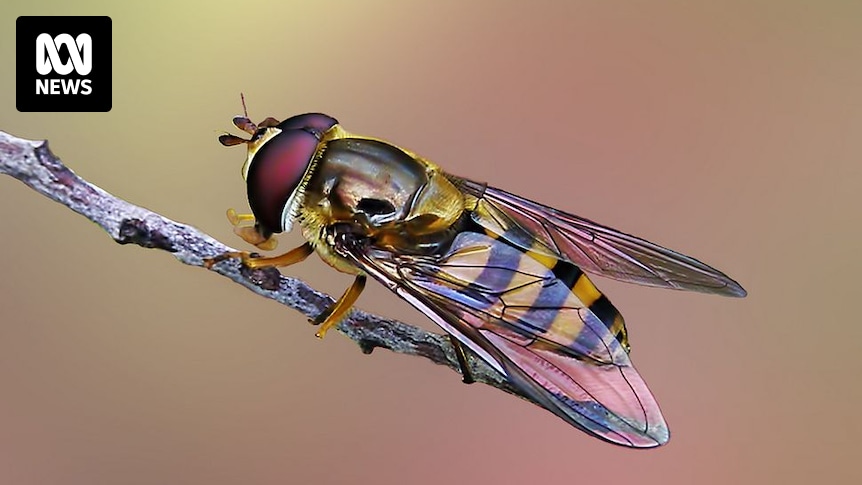
I came across an article recently that sparked a flash of inspiration. It was about drones becoming harder to detect, and how researchers may have found an unlikely solution to improve detection ranges.
 www.abc.net.au
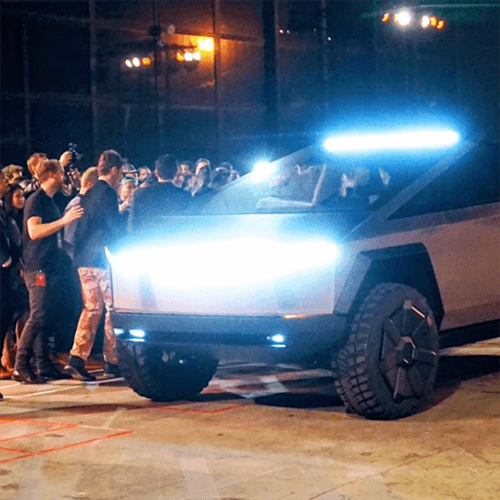
Tesla, meanwhile, has taken a bold path in developing software that can drive a car. Unlike most of the industry, which leans heavily on lidar, Tesla relies solely on cameras combined with advanced software to interpret what those cameras see.
But it’s not just about recognizing images. Tesla’s system builds a vector space from those images, assigning trajectories to objects and predicting their movement—very much like how humans anticipate motion in the world around them.
This is how Tesla is building Full Self-Driving (FSD): a camera-based approach that defies conventional wisdom yet continues to push boundaries.
And here’s where my inspiration struck. Reading about drone detection, I realized that Tesla’s FSD technology could be adapted far beyond cars. Imagine using it for security at military bases, or even for home protection systems.
Right now, the software runs on powerful computer systems designed to control a two-ton vehicle. But eventually, it will be condensed into a dedicated chip—perfect for integration into robots, just as Elon Musk has hinted.
Back in 2013, I blogged about Google’s self-driving car project. At the time, I predicted that their software would eventually evolve into robotics. My prediction was sound, but I picked the wrong company. It’s Tesla, not Google, that’s making that leap.

 goodgodgoogle.blogspot.com
Elon Musk continues to surprise and inspire. Elon, Elon, Elon… I’m definitely an Elon fan!
I came across an article recently that sparked a flash of inspiration. It was about drones becoming harder to detect, and how researchers may have found an unlikely solution to improve detection ranges.
Drones are getting harder to detect, but researchers may have found an unlikely solution
Drones are getting more stealthy, and detection technology is struggling to keep up. Now researchers are reporting a marked improvement in detection ranges, thanks to an unlikely source.
www.abc.net.au
Tesla, meanwhile, has taken a bold path in developing software that can drive a car. Unlike most of the industry, which leans heavily on lidar, Tesla relies solely on cameras combined with advanced software to interpret what those cameras see.
But it’s not just about recognizing images. Tesla’s system builds a vector space from those images, assigning trajectories to objects and predicting their movement—very much like how humans anticipate motion in the world around them.
This is how Tesla is building Full Self-Driving (FSD): a camera-based approach that defies conventional wisdom yet continues to push boundaries.
And here’s where my inspiration struck. Reading about drone detection, I realized that Tesla’s FSD technology could be adapted far beyond cars. Imagine using it for security at military bases, or even for home protection systems.
Right now, the software runs on powerful computer systems designed to control a two-ton vehicle. But eventually, it will be condensed into a dedicated chip—perfect for integration into robots, just as Elon Musk has hinted.
Back in 2013, I blogged about Google’s self-driving car project. At the time, I predicted that their software would eventually evolve into robotics. My prediction was sound, but I picked the wrong company. It’s Tesla, not Google, that’s making that leap.
The amazing Google Car
You may well ask as I did why on earth Google are spending time and money creating a self driving car? My first Conclusion: Well it is an...
goodgodgoogle.blogspot.com
Elon Musk continues to surprise and inspire. Elon, Elon, Elon… I’m definitely an Elon fan!
Last edited by a moderator: